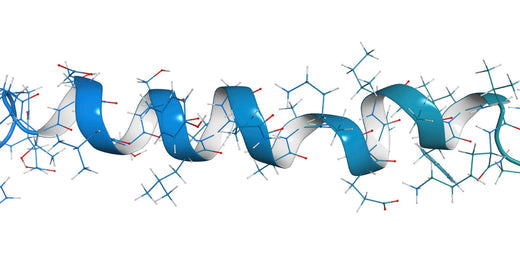


Why Copper Peptides Are Becoming the Smarter Choice
For many women in their 40s and 50s, the thought of Botox doesn’t come out of vanity — it comes out of frustration.
Skincare that once worked suddenly stops.
Skin looks thinner, less firm, and more tired.
And nothing topical seems to make a lasting difference anymore.
So women start considering injectables.
Not because they want to look “done,”
but because they want to feel like themselves again.
But as more women enter perimenopause, a quiet shift is happening:
many are looking for a Botox alternative that works with their skin — not against it.
Why Botox Becomes Tempting During Perimenopause
Perimenopause is a stage where skin can change rapidly.
Estrogen fluctuations affect:
-
Collagen production
-
Skin density
-
Elasticity
-
Barrier repair
-
Inflammation levels
This is why wrinkles can appear faster, especially around the eyes, mouth, and neck.
Botox offers a clear promise:
Freeze the muscle, smooth the wrinkle.
And for some women, that feels like the only option left.
But Botox is, by design, a short-term, symptom-based solution.
It doesn’t rebuild skin.
It doesn’t support collagen.
And it doesn’t address why skin changed in the first place.
The Problem With Botox as a Long-Term Strategy
Botox works by temporarily paralyzing facial muscles.
That can soften expression lines — but it also interrupts natural movement and feedback.
For women in perimenopause, this can create new concerns:
-
Loss of facial expressiveness
-
Skin that still feels thin or depleted underneath
-
Dependency on repeated treatments
-
No improvement in overall skin quality or resilience
This is why many women begin asking a different question:
“Is there a way to support my skin naturally instead of freezing it?”
Enter Copper Peptides: A Different Philosophy
Copper peptides have been studied for decades in regenerative medicine and wound healing.
Unlike Botox, which works by blocking movement, copper peptides work by sending signals.
Specifically, they help:
-
Support collagen and elastin production
-
Encourage skin repair processes
-
Improve skin firmness over time
-
Support healthier skin structure
Instead of masking wrinkles, copper peptides help skin rebuild the collagen matrix that gives it strength and density.
This is why many dermatologists refer to peptides as part of the future of skin health — especially for aging and hormonally changing skin.
Why Copper Peptides Make Sense in Perimenopause
Perimenopausal skin doesn’t respond well to force.
Strong actives can:
-
Increase irritation
-
Compromise the barrier
-
Trigger inflammation
Copper peptides take a gentler, smarter approach:
-
They work with the skin’s biology
-
They support gradual improvement
-
They don’t rely on irritation to create change
For women who want firmness without harsh treatments, this matters.
What Makes a Peptide Formula Actually Work
Not all peptide products are created equal.
For peptides to be effective, they need:
-
Proper delivery into the skin
-
A supportive lipid environment
-
Ingredients that reduce inflammation rather than trigger it
This is why advanced formulations often combine copper peptides with:
-
Nutrient-rich lipids to support the skin barrier
-
Anti-inflammatory ingredients to calm reactive skin
-
Penetration enhancers that work gently, not aggressively
When peptides are delivered correctly, skin can begin to feel:
-
More resilient
-
Less reactive
-
Gradually firmer
-
More comfortable day to day
Why Many Women Prefer This Over Injectables
Women choosing peptide-based skincare over Botox often say the same things:
-
“I still look like myself.”
-
“My skin feels healthier, not frozen.”
-
“I don’t have to keep chasing treatments.”
-
“My skin quality actually improved.”
For them, the goal isn’t dramatic transformation.
It’s sustainable improvement.
Is This a “Natural Botox”?
Copper peptides are sometimes called a “natural Botox,” but the comparison isn’t exact.
Botox:
-
Temporarily stops muscle movement
-
Works quickly
-
Requires repeat injections
Copper peptides:
-
Support collagen and skin structure
-
Work gradually
-
Improve skin quality over time
They don’t replace Botox in function —
they replace it in philosophy.
A Smarter Alternative for This Stage of Life
Perimenopause isn’t a time to punish skin into submission.
It’s a time to:
-
Support what’s changing
-
Reduce stress and inflammation
-
Encourage repair instead of suppression
For women who want firmness without freezing, and results without constant procedures, copper peptides offer a compelling alternative.
Final Thought
Choosing between Botox and skincare isn’t about being “for” or “against” injectables.
It’s about understanding what your skin actually needs right now.
For many women in perimenopause, that need isn’t paralysis.
It’s rebuilding.
And that’s where copper peptides shine. You can get copper peptides in the right topical form here.